


Book Your Consultation for Porcelain veneers in Springfield Now
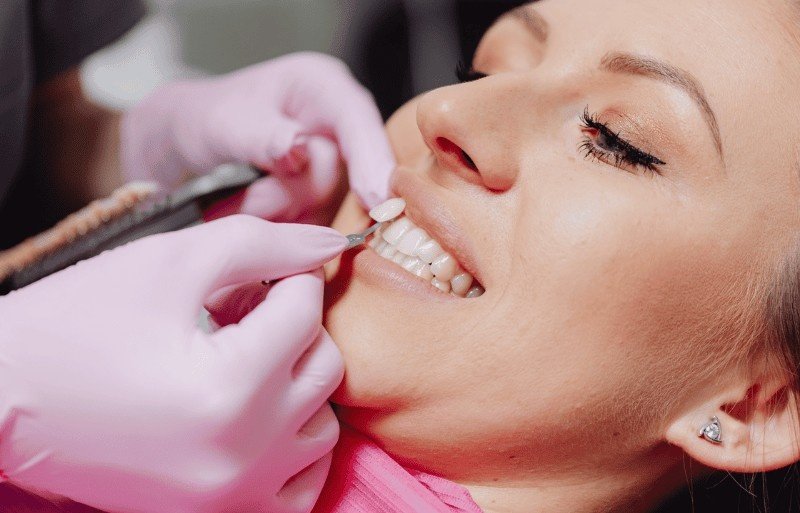
Porcelain Veneers in Springfield, MA
Gorgeous Smiles Dental offers porcelain veneers in Springfield, MA, for patients who want to change the look of their front teeth. Dental veneers are thin, custom-made shells bonded to the front surface of a tooth. They can improve teeth that are stained, chipped, slightly uneven, or have small gaps. Results depend on your teeth, gums, and bite, so veneers aren’t the right choice for everyone.
Veneers are an elective cosmetic treatment, and traditional porcelain veneers usually mean removing a thin layer of enamel that won’t grow back. Before you decide, a veneers consultation in Springfield, MA, gives you time to talk through your goals, the preparation involved, other options, cost, and long-term care. To arrange a visit, call our office at (413) 747-0400.
What Are Porcelain Veneers?
Porcelain veneers are thin ceramic shells made in a dental lab to fit your teeth. The dentist bonds each veneer to the front of a tooth with a strong dental adhesive. Porcelain is durable, resists stains well, and can be shaded to look like natural enamel.
Dental veneers mainly change how teeth look. They don’t treat decay or gum disease, and they don’t move teeth into new positions. Veneers are one of several cosmetic dentistry options we offer, and the best fit depends on what you want to change.
What Cosmetic Concerns Can Veneers Address?
Veneers may help with:
- Stains that whitening doesn’t lighten
- Small chips or worn edges
- Teeth that are slightly short, narrow, or uneven in shape
- Small gaps between front teeth
Veneers can make mildly crooked teeth look straighter by changing their front surface, but they don’t move the teeth. For teeth that are significantly out of line, or for bite problems, orthodontic treatment is usually the better first step.
Who Is a Good Candidate for Porcelain Veneers?
Good candidates have healthy teeth and gums, enough enamel to bond to, a stable bite, and realistic goals. A dental exam is the only way to know whether veneers make sense for you.
Teeth and Gum Health Before Veneers
Cavities, gum disease, and other dental problems need to be treated before veneers are placed. Veneers bond best to healthy enamel and need healthy gums around them.
The dentist also looks at your enamel, any existing fillings or crowns, and how your upper and lower teeth meet. These details affect whether veneers will hold up and look right.
When Might Veneers Not Be the Best Choice?
Veneers may not be a good fit if you grind or clench your teeth heavily, have a deep bite where the lower teeth hit the backs of the upper teeth, or have very little enamel left. These can make veneers more likely to chip or come loose.
In those cases, crowns, orthodontics, whitening, bonding, or a combination may work better. We’ll explain the options after examining your teeth.
Do Porcelain Veneers Require Tooth Enamel Removal?
Usually, yes. Traditional porcelain veneers need a thin layer of enamel removed from the front of each tooth, often less than a millimeter, so the veneer fits without making the tooth look bulky.
How much is removed depends on the tooth’s position and shape, how much change you want, and the veneer design. Some teeth need very little preparation, and others need more.
Why Is Tooth Preparation Sometimes Necessary?
Without preparation, a veneer adds thickness to the front of the tooth. That can make teeth look or feel too large, affect how your lips rest, and leave edges where plaque collects. Preparation creates room for the veneer and a surface it can bond to.
Before treatment starts, the dentist should explain how much preparation is planned for each tooth and why.
Are Porcelain Veneers Reversible?
No. Enamel that’s removed doesn’t grow back, so a tooth prepared for a veneer will always need a veneer or another restoration to cover it. The ADA’s MouthHealthy guide to veneers notes that veneer treatment is not reversible.
Veneers also don’t last forever. Most people will need at least one replacement over time, so it’s a long-term commitment.
How Are Porcelain Veneers Made and Placed?
Treatment includes an exam, planning, tooth preparation, lab fabrication, and bonding. Most patients need at least two visits after the consultation, but the exact number depends on the plan.
Step 1: Cosmetic Consultation and Smile Planning
The dentist examines your teeth, gums, and bite and asks what you’d like to change. Photos, X-rays, and impressions may be taken.
You’ll talk through your goals, whether veneers are the right option, how many teeth might be treated, and any alternatives.
Step 2: Shade Selection and Tooth Preparation
Together, you and the dentist choose the shade, shape, and length of the veneers so they suit your face and nearby teeth. If you plan to whiten other teeth, it’s usually best to do that first, since porcelain won’t change color later.
The teeth are then numbed as needed, and a thin layer of enamel is removed from each one being treated.
Step 3: Impressions and Temporary Veneers
The dentist takes impressions or digital scans of the prepared teeth. These are sent to a dental lab, where your veneers are made.
While you wait, you may wear temporary veneers to protect the teeth and give you a preview of the new shape. Temporaries are less durable, so avoid hard or sticky foods.
Step 4: Final Fitting and Bonding
At the next visit, the dentist places each veneer to check its fit, color, and shape before bonding. Small changes can be made at this stage.
The tooth surface is cleaned and prepared, then each veneer is bonded in place and hardened with a special light.
Finally, the dentist removes excess material, checks your bite, and explains how to care for your veneers. A follow-up visit may be scheduled to check your gums and bite.
Porcelain Veneers vs. Other Cosmetic Dental Treatments
Different treatments solve different problems. Stained teeth don’t always need veneers, and crooked teeth may be better treated by moving them.
Porcelain vs. Composite Veneers
Composite veneers are made from tooth-colored resin that the dentist shapes directly on the tooth, often in one visit. Porcelain veneers are made in a lab and usually take two or more visits.
Composite usually costs less, often needs less tooth preparation, and is easier to repair. Porcelain generally resists stains better and lasts longer. Ask us whether composite veneers are an option for your teeth.
Porcelain Veneers vs. Teeth Whitening
Whitening lightens the color of natural teeth. Veneers cover the front of the tooth to change its color and shape.
If your main concern is color and your teeth are otherwise in good shape, professional teeth whitening may be enough. Keep in mind that porcelain veneers won’t whiten later like natural enamel.
Porcelain Veneers vs. Dental Bonding
Bonding uses composite resin to repair a small chip or reshape a tooth. It often needs little or no enamel removal and can usually be done in one visit. Bonding can stain and chip more easily than porcelain and may need touch-ups, but it’s a more conservative choice for minor changes.
Porcelain Veneers vs. Invisalign
Veneers change how the front of your teeth looks. They don’t change where the teeth sit or how they bite together.
Invisalign and other orthodontic treatments actually move teeth. If your teeth are crowded or your bite is off, consider Invisalign treatment in Springfield first. Some patients straighten their teeth and then add veneers or bonding.
Porcelain Veneers vs. Dental Crowns
A veneer covers the front of a tooth. A crown covers the whole tooth and is usually used when a tooth is cracked, heavily filled, or weakened. Learn more about dental crowns.
What Are Lumineers and Minimal-Preparation Veneers?
Lumineers is a brand of thin porcelain veneer designed to need little tooth preparation. Other minimal-prep and no-prep veneers work in a similar way. They can be a good option in the right case, but they aren’t right for everyone.
How Are Minimal-Preparation Veneers Different?
Minimal-prep veneers need less enamel removal than traditional ones. They tend to work best on teeth that are small, slightly behind the others, or need only modest changes.
Even "no-prep" veneers usually need some light preparation, and teeth that are crowded or forward may still need more. Ask us whether minimal-prep veneers, including Lumineers, are available and suitable for your teeth.
How Much Do Porcelain Veneers Cost in Springfield, MA?
The cost of porcelain veneers depends on how many teeth are treated, the materials, how complex your case is, and your treatment plan. You’ll get a personalized estimate after your consultation.
What Affects the Cost Per Tooth?
Porcelain veneers are usually priced per tooth, so treating two front teeth costs less than treating six or eight. Your total depends on how many teeth are included in your plan.
Other factors include photos and records, preparation, lab fabrication, temporary veneers, and any care needed first, such as fillings or gum treatment. Ask what your estimate includes.
Does Dental Insurance Cover Porcelain Veneers?
Most dental plans consider veneers cosmetic and don’t cover them.
Coverage may be possible in some cases, such as repairing a tooth damaged by an injury. Check your plan’s rules, and see our dental insurance information.
Are Payment Options Available?
Ask our team about payment options at your consultation.
How Long Do Porcelain Veneers Last?
Porcelain veneers can last many years with good care, but there’s no fixed lifespan. How long yours last depends on your oral health, bite, habits, and maintenance. The Cleveland Clinic’s overview of veneers explains the main types and what to expect.
What Affects Veneer Longevity?
Daily brushing and flossing, regular checkups, and healthy gums all help. So does protecting your teeth from heavy forces.
Grinding, clenching, biting nails or pens, and chewing ice or hard candy can crack or loosen veneers.
Can Porcelain Veneers Chip, Loosen, or Need Replacement?
Yes. Veneers can chip, crack, wear, or come loose. The tooth underneath can also develop decay at the edges.
A dentist will check whether a veneer can be rebonded, repaired, or needs to be replaced. Not every damaged veneer can be fixed.
How to Care for Porcelain Veneers
Veneers need the same daily care as natural teeth, plus some extra attention to protect them.
Daily Cleaning and Stain Care
Brush twice a day with a soft brush and a non-abrasive toothpaste, clean between your teeth daily, and keep up with regular checkups.
Porcelain resists stains well, but the edges and nearby natural teeth can still darken. Limiting coffee, tea, red wine, and tobacco helps.
Grinding, Hard Foods, and Bite Protection
Don’t use your teeth to open packages or bite hard objects. Cut hard foods into smaller pieces.
If you grind or clench, the dentist may recommend a custom night guard to wear while you sleep.
When Should You Contact Your Dentist?
Call us if a veneer feels loose, chips, or cracks, if your bite feels off, or if you have sensitivity that doesn’t go away. Don’t try to glue a veneer back on yourself.
Porcelain Veneer Consultations at Gorgeous Smiles Dental
Because veneers are permanent and elective, it’s worth taking time to understand your options before you commit.
Meet Your Porcelain Veneer Treating Dentist
Our Springfield dentists examine your teeth, explain your options, and plan any veneer treatment. You can meet our Springfield dental team before your visit.
What to Expect During Your Consultation
The dentist reviews your teeth, bite, gums, dental history, and what you’d like to change.
You should leave knowing how much preparation is planned, the alternatives, the treatment steps, possible limitations, and the cost.
Visit Our Springfield Dental Office
Gorgeous Smiles Dental, 1985 Main St, Ste F, Springfield, MA 01103. Phone: (413) 747-0400. Learn more about our Springfield dental office.
Frequently Asked Questions About Porcelain Veneers
Are Porcelain Veneers Permanent?
The tooth change is permanent because enamel is removed, but the veneers themselves will eventually need replacing.
Is Getting Porcelain Veneers Painful?
Teeth are usually numbed during preparation. Some sensitivity afterward is common and usually fades.
Can Veneers Fix Crooked Teeth?
They can make mildly crooked teeth look straighter, but they don’t move teeth. Orthodontics is often better for real alignment problems.
Can You Get Just One Porcelain Veneer?
Yes, sometimes. Matching one veneer to the teeth beside it takes careful shade work.
Can Porcelain Veneers Be Whitened?
No. Whitening products don’t change the color of porcelain.
How Many Appointments Are Needed for Veneers?
Usually a consultation plus two treatment visits, but your plan may differ.
Are Lumineers the Same as Traditional Porcelain Veneers?
Lumineers are a brand of thin veneer that usually needs less preparation. Both are porcelain, but they’re used in different cases.
Does Dental Insurance Cover Porcelain Veneers?
Usually not, because veneers are considered cosmetic. Check your plan’s rules.
Schedule Your Porcelain Veneers Consultation in Springfield, MA
If you’re thinking about veneers, a consultation is the best way to learn whether they suit your teeth and goals. We’ll examine your teeth, explain how much preparation would be involved, and go over your options for porcelain veneers in Springfield, MA. Call (413) 747-0400 or schedule a porcelain veneer consultation through our contact page.
Ready to book an appointment?
Book a consultation today or make an appointment using our convenient online appointment scheduler.
Open Hours

We’re committed to your safety.

Enjoy the flexibility of paying through monthly payments.

A discount plan available to keep you and your family healthy.
Book your appointment today.
- Main Street STE F Springfield MA-01103
- Call our office at 413-747-0400