


Book Your Consultation for Implant-Supported Dentures in Springfield Now
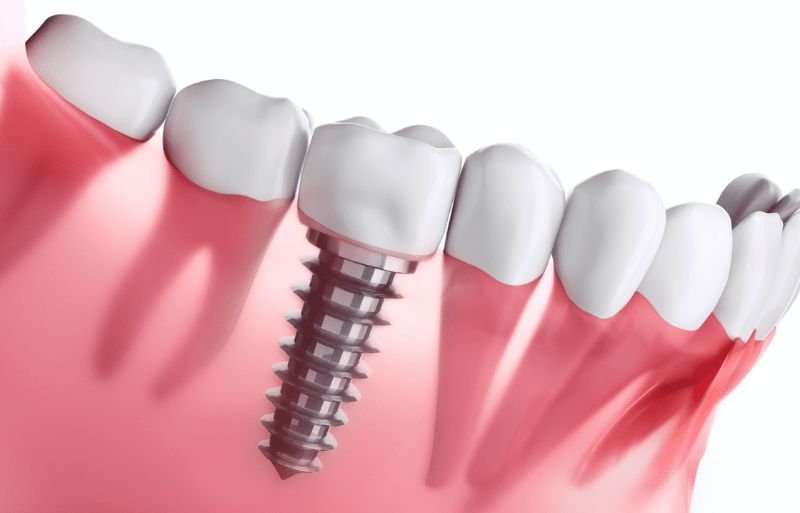
Implant-Supported Dentures in Springfield, MA
Gorgeous Smiles Dental helps patients explore implant-supported dentures in Springfield, MA. Implant dentures use dental implants placed in the jawbone to hold, support, or stabilize a set of replacement teeth. They’re often considered by people who are missing most or all of their teeth, or whose conventional dentures feel loose. Implants can make a denture more stable, but some movement, adjustments, and maintenance are still part of wearing one.
There’s more than one type of implant-supported denture. Some snap in and out, while others are fixed in place and can only be removed by a dentist. Which design suits you depends on your jawbone, oral health, goals, and budget, and a clinical exam is the only way to know. To ask about a consultation, call our Springfield office at (413) 747-0400.
What Are Implant-Supported Dentures?
Implant-supported dentures are replacement teeth that connect to dental implants, small posts placed in the jawbone. Once the bone heals around them, the implants can anchor a denture.
With some dental implant dentures, the implants mainly hold the denture in place while your gums still carry part of the load. Others rest fully on the implants. Some can be removed by the patient, while others are fixed.
How Do Dental Implants Hold a Denture in Place?
Small connecting parts called attachments link the implants to the denture. On a removable denture, these parts click together when you press the denture into place, which helps keep it from lifting or sliding.
The amount of stability depends on how many implants you have, where they’re placed, how healthy the bone and gums around them are, and how the denture is designed. Dentures over implants are usually much more stable than conventional dentures, but they aren’t completely movement-free in every case.
What Types of Implant-Supported Dentures Are Available?
Implant-supported dentures fall into two main groups: removable dentures that you take out each day and fixed restorations that stay in your mouth. Implants can also support some partial dentures in selected cases. Ask us which designs are available for your situation.
| Removable (snap-in) | Fixed (full-arch) | |
|---|---|---|
| Who removes it | You, daily | Only a dentist |
| Daily cleaning | Take it out, clean it and the attachments | Clean around and under it in your mouth |
| Implants needed | Often fewer | Often more |
| Upkeep | Attachments wear and need replacing | Screws and materials need checks and repair |
Removable Snap-In Dentures and Overdentures
Implant-supported overdentures, often called snap-in dentures, fit over implants and click onto them. You take them out to clean them and usually at night, as your dentist directs.
The attachments that hold implant-retained dentures in place wear with use, and their inserts need to be replaced at the dental office from time to time. This is normal maintenance.
Bar-Retained, Ball-Retained, and Locator Attachments
Implant secured dentures can connect in different ways. A bar-retained denture clips onto a thin metal bar that joins several implants. A ball-retained denture has sockets that fit over ball-shaped attachments on each implant. Locator-style attachments are low-profile connectors that snap into matching parts inside the denture.
The dentist chooses the attachment during treatment planning, based on your bone, implant positions, available space, and ability to clean.
Fixed Implant-Supported Full-Arch Restorations
Some full implant dentures are screwed or otherwise secured to the implants. They aren’t removed at home, which makes them feel more like natural teeth to some patients.
Because a fixed restoration stays in place, you clean around and underneath it in your mouth with special brushes, floss, or a water flosser. It also needs regular professional maintenance, and some visits may involve the dentist removing it for cleaning and checks.
Implant-Supported Dentures vs. Traditional Dentures
Traditional dentures rest on your gums and are held by suction, the shape of your mouth, and sometimes adhesive. Implant dentures add support or retention from implants in the jawbone.
Stability, Chewing, and Speaking
Many people find implant dentures move less when they eat and talk, which can make chewing and speaking easier.
Results vary, though. Implant dentures don’t work exactly like natural teeth, and very hard or sticky foods may still be a problem.
Comfort, Cleaning, and Maintenance
Some patients get fewer sore spots because the denture moves less, but adjustments are still needed and gum irritation can still happen.
Which Option May Be Right for You?
The best choice depends on your health, jawbone, goals, ability to clean, and budget. For some people, a well-made conventional denture is the right answer. Learn more about traditional full and partial dentures.
Can Existing Dentures Be Secured With Dental Implants?
If you already wear a denture that feels loose, adding implants may help hold it in place. This is one of the most common reasons people ask about dental implants after dentures.
Can My Current Denture Be Modified?
In some cases, a dentist can add attachments to your existing denture so it snaps onto new implants. It depends on how your denture is made, how well it fits, whether it’s strong enough, and whether there’s room for the attachments.
When Might a New Implant Denture Be Needed?
If your denture is worn, cracked, poorly fitting, or too thin, a new one designed for implants may work better.
Who May Be a Candidate for Implant-Supported Dentures?
Whether implant dentures make sense for you depends on a full dental exam and a review of your medical history.
Jawbone Health and Implant Planning
Implants need enough healthy bone to hold them, and the dentist must plan around nerves, sinuses, and other structures. X-rays and, in many cases, 3D imaging help show how much bone you have and where implants could go.
What if You Don't Have Enough Bone?
Bone can shrink after teeth are lost. Bone grafting, which adds bone or bone-like material, may help in some cases. Other options include changing the implant positions or design. Grafting isn’t always needed, and it doesn’t guarantee you can have implants.
Medical Conditions and Other Risk Factors
Smoking, uncontrolled diabetes, active gum disease, some medications, and other conditions that affect healing can raise the risk of problems. They don’t automatically rule you out, but they shape the plan. Be sure to share your full medical history.
Oral Hygiene and Long-Term Commitment
Implant dentures need daily cleaning and regular professional checkups for as long as you have them.
What Is the Implant-Supported Denture Treatment Process?
Treatment happens in stages, and the order and timing depend on your case.
Step 1: Consultation and Treatment Planning
At your implant denture consultation, the dentist reviews your goals, medical and dental history, and any current dentures. X-rays or 3D scans help show your bone and where implants could go.
Step 2: Preparing Your Mouth
Some patients need care first, such as gum treatment or tooth extraction for teeth that can’t be saved. Bone grafting may be added if needed. Not everyone needs these steps.
Step 3: Dental Implant Placement
Implants are placed in the jawbone during a surgical procedure, usually with local anesthesia. Depending on your case, surgery may be done at our office or by a surgical specialist we refer you to. You can read more about dental implant treatment on our implants page.
Expect some soreness, swelling, or bruising afterward. We’ll explain how to care for the area while it heals.
Step 4: Healing and Osseointegration
Over the following weeks to months, the bone grows tightly around the implants. This process is called osseointegration. Healing time varies with your bone and health.
Step 5: Temporary Dentures During Healing
Many patients wear a temporary or adjusted denture while they heal. Whether this is possible, and what type you’ll wear, depends on your treatment plan.
Step 6: Custom Denture Design and Fitting
Once the implants have healed, impressions or scans are taken to make your final denture. The dentist checks the attachments, fit, bite, and appearance before it’s finished.
Step 7: Follow-Up Care and Adjustments
Follow-up visits let us check your comfort, the fit of the denture, and the health of the implants and gums. Small adjustments are common.
How Long Does Implant-Supported Denture Treatment Take?
From planning to the final denture, treatment often takes several months.
What Affects the Treatment Timeline?
Extractions, bone grafting, how quickly you heal, the number of implants, and how the denture is made can all add time.
Are Same-Day Implant Dentures Possible?
In some cases, a temporary denture can be attached to implants on the day they’re placed. This depends on bone quality and other factors, and it isn’t right for everyone. The final denture is usually made after healing.
How Much Do Implant-Supported Dentures Cost in Springfield, MA?
The cost of implant-supported dentures varies with the number of implants, any extra procedures, and the type of denture. After your consultation, you’ll get a personalized estimate.
What Affects the Total Cost?
Your estimate may include some or all of these:
- Consultation, X-rays, and 3D imaging
- Extractions or bone grafting, if needed
- Implant surgery and the number of implants
- Attachments or connecting parts
- The denture itself, removable or fixed
- A temporary denture, if used
- Follow-up visits
Ask for an itemized estimate so you know what’s included.
Removable vs. Fixed Implant Denture Costs
Fixed restorations often need more implants and lab work, so they can cost more.
Does Dental Insurance Cover Implant-Supported Dentures?
Some plans pay for part of the denture or related care, while others exclude implants. Coverage depends on your plan’s limits and exclusions. See our dental insurance information, and we can help you check your benefits.
Payment and Financing Options
Ask our team about payment options at your consultation.
Future Maintenance and Replacement Costs
Plan for ongoing costs, such as attachment replacement, relines, repairs, and professional cleanings.
What Are the Risks and Limitations of Implant-Supported Dentures?
Implant dentures involve surgery and custom-made appliances, so they come with possible problems as well as benefits. The FDA’s guide to dental implants recommends talking with your dental provider about the benefits, the risks, and whether you’re a candidate.
Surgical Risks and Healing
Surgery can lead to pain, swelling, infection, or slow healing. Less often, nerves, sinuses, or nearby structures can be affected. An implant may also fail to bond with the bone and need to be removed.
Implant Health and Peri-Implant Inflammation
The gums and bone around implants can become inflamed, much like gum disease. Advanced inflammation, called peri-implantitis, can lead to bone loss around the implant. Call us if you notice bleeding, swelling, pain, or a loose implant.
Mechanical Wear and Prosthesis Problems
Attachments wear out, screws can loosen, and denture teeth or bases can chip or crack. These parts need repair or replacement over time.
How Do You Clean and Maintain Implant-Supported Dentures?
Daily cleaning and regular checkups help protect your implants and gums.
Cleaning Removable Snap-In Dentures
Take the denture out daily, brush it with a soft brush and non-abrasive cleaner, and gently clean around each implant in your mouth.
Cleaning Fixed Implant-Supported Restorations
Clean around and under the restoration each day using the brushes, floss, or water flosser your dental team recommends. Never try to remove a fixed restoration yourself. The American College of Prosthodontists recommends professional maintenance visits for fixed full-arch restorations based on each patient’s risk.
Attachment Replacement and Denture Adjustments
Snap-in attachment inserts lose their grip over time and need to be replaced. Your denture may also need relining as your gums change.
When Should You Contact Your Dentist?
Call us if your denture becomes loose, feels different, causes ongoing pain, or breaks, or if your gums bleed or swell. Don’t try to repair parts with glue or household products.
Implant-Supported Denture Consultations at Gorgeous Smiles Dental
A consultation helps you understand your options before you commit.
Meet the Dentist Planning Your Implant Denture Treatment
Our Springfield dentists examine your mouth, explain your options, and coordinate your care. Surgery may be done at our office or by a specialist, depending on your case. Meet our Springfield dental team before your visit.
Understanding Your Treatment Recommendations
You should leave your consultation knowing which design is recommended and why, the alternatives, the steps involved, the expected cost, the risks, and the long-term maintenance.
Our Springfield Dental Office
Gorgeous Smiles Dental, 1985 Main St, Ste F, Springfield, MA 01103. Phone: (413) 747-0400. Learn more about our Springfield dental office.
Frequently Asked Questions About Implant-Supported Dentures
Are Implant-Supported Dentures Removable?
Some are. Snap-in overdentures are removed daily for cleaning. Fixed restorations stay in place and can only be removed by a dentist.
How Many Dental Implants Are Needed for Dentures?
It varies. The number depends on the jaw, the amount of bone, and the denture design. Removable dentures often need fewer implants than fixed ones.
Can My Existing Dentures Be Attached to Implants?
Sometimes. It depends on your denture’s condition and design. The dentist will check it at your consultation.
Will I Need Bone Grafting?
Only if you don’t have enough bone where implants are needed. Imaging helps the dentist decide.
How Long Do Implant-Supported Dentures Last?
Implants can last many years with good care, but attachments and denture parts wear faster.
How Long Does Treatment Take?
Often several months, depending on healing and any grafting.
How Much Do Implant-Supported Dentures Cost?
It depends on the number of implants and denture type. You’ll get an estimate after your exam.
Are Implant-Supported Dentures Better Than Regular Dentures?
Not for everyone. They’re often more stable, but they cost more, involve surgery, and need ongoing care.
Schedule an Implant-Supported Dentures Consultation in Springfield, MA
If your denture feels loose or you’re missing most of your teeth, a consultation can help you understand your options. Our team will examine your mouth and explain the next steps for implant-supported dentures in Springfield, MA. Call (413) 747-0400 or schedule an implant denture consultation through our contact page.
Ready to book an appointment?
Book a consultation today or make an appointment using our convenient online appointment scheduler.
Open Hours

We’re committed to your safety.

Enjoy the flexibility of paying through monthly payments.

A discount plan available to keep you and your family healthy.
Book your appointment today.
- Main Street STE F Springfield MA-01103
- Call our office at 413-747-0400